
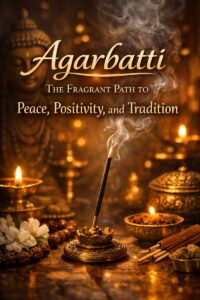
For centuries, the gentle wisp of smoke rising from incense sticks—known as agarbatti in India—has been more than just a fragrance. It is a bridge between the physical and spiritual worlds, a symbol of devotion, and a source of inner calm. Whether in temples, homes, or meditation centers, incense continues to hold a special place in Indian culture.
A Tradition Rooted in Spirituality
The use of incense dates back to the Vedic era, when natural ingredients like sandalwood, myrrh, and herbs were offered to the divine. The rising smoke was believed to carry prayers heavenward, creating a sacred link with the gods. Over time, incense evolved into stick form, making it part of daily life and worship.
Role in Daily Rituals and Poojas
Lighting an incense stick is one of the sixteen steps of Hindu worship. It purifies the surroundings, fills the room with divine energy, and signals the start of prayer. Each fragrance has its meaning—sandalwood for clarity, rose for devotion, jasmine for upliftment, and lavender for peace. The aroma not only pleases the senses but also creates a meditative environment.
Symbolism and Number of Sticks
Burning incense isn’t just about fragrance—it carries deep symbolism:
- One stick signifies respect to a single deity.
- Three sticks represent the holy trinity of Brahma, Vishnu, and Shiva.
- Five sticks symbolize the balance of the five elements—earth, water, fire, air, and space.
- Seven sticks are linked to the body’s chakras, encouraging healing and spiritual growth.
Incense Beyond Worship
Incense has also been a natural tool for aromatherapy in Indian homes. Scents like sandalwood bring calmness, lavender aids sleep, while citrus and lemongrass uplift the mood. Incense is also used to welcome guests, purify negative energies as per Vastu Shastra, and even keep mosquitoes away with herbal blends.
Eco-Friendly Choices & Artisan Support
Modern incense makers are moving toward chemical-free, bamboo-based, and charcoal-free incense, ensuring sustainability and safety. Buying hand-rolled incense supports thousands of rural artisans, especially women, who keep this ancient craft alive.
A Symbol of Sacrifice and Positivity
In Hindu philosophy, incense symbolizes selfless giving. Just as the stick burns itself to spread fragrance, humans are reminded to dedicate themselves to higher purposes and the greater good. The smoke represents surrender of desires and the spreading of positivity in the atmosphere.
Incense for the Modern Lifestyle
From yoga studios to spas, and from meditation spaces to modern homes, incense continues to find new relevance. It is used not only for spirituality but also for mindfulness, creativity, and relaxation in today’s fast-paced life.
Final Thoughts
The humble incense stick is more than a simple aromatic product—it is a fragrant thread that connects generations, traditions, and emotions. It teaches us patience, presence, and devotion. Whether lit for prayer, peace, or pleasure, agarbatti remains a timeless companion, filling our spaces with positivity and our hearts with serenity.
Read More Articles Related to Agarbatti